Home Care Services: Customized Help for Seniors
Home care solutions are fundamentally important in supporting seniors as they navigate daily life. These services offer personalized assistance adapted for individual needs, fostering independence while guaranteeing safety. Beyond physical tasks, they also provide psychological care, dealing with feelings of isolation. Comprehending the various aspects of home care can be complex, yet it is important for families searching for the best options for their loved ones. The next steps in this process are critical.
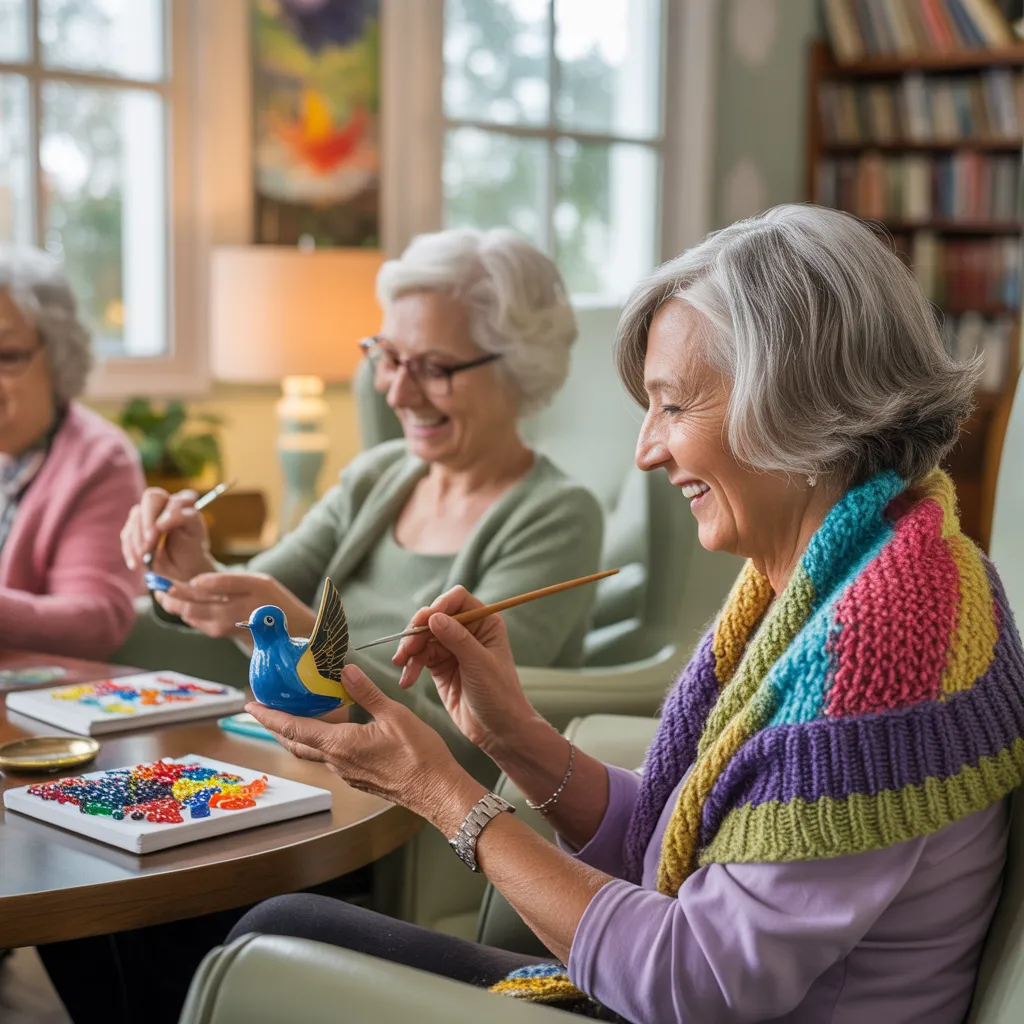
Why Elderly individuals Should have Domiciliary Assistance
Older adults grow older and typically experience diminished ability to perform daily activities, necessitating the need for home care services. Numerous people face challenges such as mobility issues, chronic health conditions, and cognitive decline, rendering activities difficult progressively. Home care support offer essential support, allowing seniors to maintain independence while getting personalized assistance tailored to their unique needs.
These services often include help with meal preparation, medication management, and self-care, which can greatly enhance the standard of living. Additionally, home care addresses the mental health of elderly individuals by providing companionship and social engagement, reducing sense of loneliness and solitude.
In summary, home care services are flexible, allowing families to change the level of care as their loved one's needs change. This flexibility ensures that seniors get the appropriate support, fostering a safe and nurturing environment for aging in place. Ultimately, home care services are essential for promoting health and dignity in the later stages of life.
Methods to Determine Your Cherished One's Necessities
How can families effectively determine the specific needs of their aging loved ones? Assessing these requirements starts with open communication. Families should participate in honest conversations, allowing seniors to share their preferences and concerns. Monitoring everyday habits can also offer understanding into areas requiring assistance, such as mobility challenges or trouble managing home responsibilities.
Additionally, families can perform a comprehensive assessment by consulting healthcare providers who can determine medical requirements. This may include visiting the family member's doctor or reviewing recent medical records. It is crucial to consider mental and interpersonal requirements, as social interaction and psychological health are vital for seniors.
Finally, families should assess the home environment to identify possible risks or modifications required for safety. By combining these approaches, families can create a comprehensive grasp of their loved one's needs, resulting in more well-considered choices concerning appropriate home care solutions.
Vital Classes of Home Care Offerings for Mature Adults
Comprehending the specific needs of aging loved ones provides the basis for opting for correct home care packages. Various crucial types of home care packages cater to these circumstances, confirming seniors enjoy the backing vital for their health and happiness.
Personal care offerings focus on assistance with daily activities such as bathing, dressing, and grooming. Companionship programs offer psychological assistance and social engagement, helping to reduce emotional isolation. Medication management guarantees that seniors adhere to their medication schedules, reducing medical complications.
Additionally, home care programs renders skilled nursing services for those requiring medical treatment, including wound care and therapeutic treatment. break care allows family members serving as caregivers short respites, warranting they can recoup their strength while verifying their family relations sustain care. By recognizing these service types, families can reach sound conclusions that optimize the wellbeing for their older family members.
Understanding the Advantages of Customized Assistance
Individualized help markedly improves the standard of support for elderly individuals, tackling their unique needs and preferences. By customizing services to individual requirements, care providers can cultivate a feeling of respect and independence, which is crucial for mental and emotional health. This personalized strategy often results in improved medical results, as seniors are increasingly likely to follow to care plans that resonate with their lifestyles.
Furthermore, bespoke support helps stronger relationships between caregivers and seniors, developing trust and open communication. This bond allows caregivers to better understand the emotional and physical challenges encountered by seniors, leading to more effective interventions. Additionally, it allows families to feel more involved in the care process, alleviating concerns about their loved ones’ health. Overall, personalized support not only enhances the quality of care but also enriches the lives of seniors, providing them the comfort and security they require in their golden years.
Steps to Determine the Fitting Home Care Company for Your Dependents
Determining the right in-home care service can feel overwhelming, yet it is a crucial choice for households seeking the best care for their senior family members. To begin, families should evaluate the specific requirements of their loved ones, including healthcare needs, daily living assistance, and companionship. Researching nearby services is important; households can review internet ratings, request suggestions from acquaintances, or contact local aging agencies for guidance.
Once potential providers are identified, families should plan consultations to measure the quality of care given. Learn about staff qualifications, preparation, and track record in handling similar situations. Additionally, it is important to talk through support frameworks and versatility in programs, ensuring they can adapt to changing needs. To conclude, verifying qualifications and endorsements provides assurance of observance with state regulations. By carefully evaluating these points, loved ones can make informed choices that correspond with their loved ones' distinct requirements and wishes.
At-Home Care Price Overviews
Navigating the fiscal environment of home care can be tough for families, as charges can vary greatly based on the needed services, location, and the level of care needed. On average, hourly rates for home care services are between $20 to $50, depending on the difficulty of care. Basic support with daily tasks usually costs less than professional medical assistance, which can escalate expenses considerably.
Where you live plays an important role on determining costs; urban areas often have increased pricing compared to rural regions. Additionally, families may encounter varying pricing structures, such as hourly, daily, or live-in rates. Insurance coverage can further complicate financial planning, as not all policies reimburse home care expenses. Families are encouraged to investigate available financial aid, such as government programs and community resources, which can help reduce some of the financial burden associated with home care services. Understanding these cost dynamics is essential for informed decision-making.
Methods for Working With Home Care Professionals
How can families communicate their needs successfully to home care professionals? Clear communication is essential for ensuring that seniors obtain the right care. First, families should specify specific needs and desires, including daily routines, medical conditions, and personal interests. Providing detailed information allows caregivers to customize their strategy effectively.
Second, cultivating accessible communication is indispensable. Families should feel welcomed in asking questions and sharing their feedback regarding the care being delivered. Frequent check-ins can help mitigate any issues rapidly.
Third, adopting written documentation, such as care logs or journals, can help in monitoring changes in behavior or health, which is valuable for both families and professionals. Finally, fostering a partnership encourages understanding and mutual respect, resulting in improved care results. By implementing these methods, families can establish a supportive environment that enhances the home care experience for their loved ones.
Often Posed Questions
How Should I Include My Aging Parent in Health Decisions?
Engaging a mature individual in care decisions can be accomplished by encouraging open discussions, actively listening to their expectations, offering information about options, and respecting their choices, ultimately fostering a sense of autonomy and empowerment.
What Signs Suggest That Home Care Is Necessary?
Indicators that in-home support is essential include trouble managing everyday routines, multiple falling episodes, loneliness and withdrawal, health problems that aren't well-managed, inadequate personal care, and growing confusion or memory loss. Family members can likewise identify these warning signs.
Domiciliary Care Services Customization Over Time: Is It Possible?
Yes, home care services can be adapted over time. As situations change, caregivers can modify the intensity of care, frequency of visits, and types of services provided, documentation ensuring ideal care for individuals throughout their journey.
What's the Right Approach to Manage Care Provider Transitions or Changes?
Managing caregiver changes requires clear communication. Establishing confidence and consistency through gradual introductions and comprehensive care plans can smooth transitions, guaranteeing that both elderly individuals and caregivers feel at ease and supported throughout the process.
What Common Incorrect Ideas Exist About At-Home Care for Aging Adults?
Mistaken notions about home care for senior citizens incorporate beliefs that it is only for the critically ill, excessively dear, or that caretakers want necessary training. In essence, home care offers extensive options tailored to individual demands.